Aligning a Cross-Functional Team Around a $500K Problem
This workshop came out of genuine chaos.
Everyone was solving a different problem.
At the time, there was significant misalignment around the paint wasting problem across multiple parts of the organization. Ideas coming from the Mixing portion of the painter’s journey conflicted with what was being asked for from Reporting. On top of that, the Global Product Owner had a different perspective entirely from other Product Owners. Then there were the more external voices, teams closest to the painters and large body shops, who were hearing real financial complaints from shops and had their own, often conflicting, ideas on how to solve the issue.
At that point, it was clear that continuing the conversation over email was only making things worse. People weren’t just disagreeing, they were solving entirely different problems.
Why this couldn’t be solved over email.
The email chain made it obvious that everyone was talking past each other. I wanted to create a space where people could fully hear one another but also a structure that would start broad, let everyone get their ideas out, and then force unanimity. The goal was alignment around one solution we could actually design and build.
That’s when I decided a workshop was necessary.
Who was there
Business Solutions Manager x2
Global Head of Application & Technology
Head of Design & Development
Product Owner x3
US Sales Director
Account Manager x4
Business Development Manager
UX Designers x2
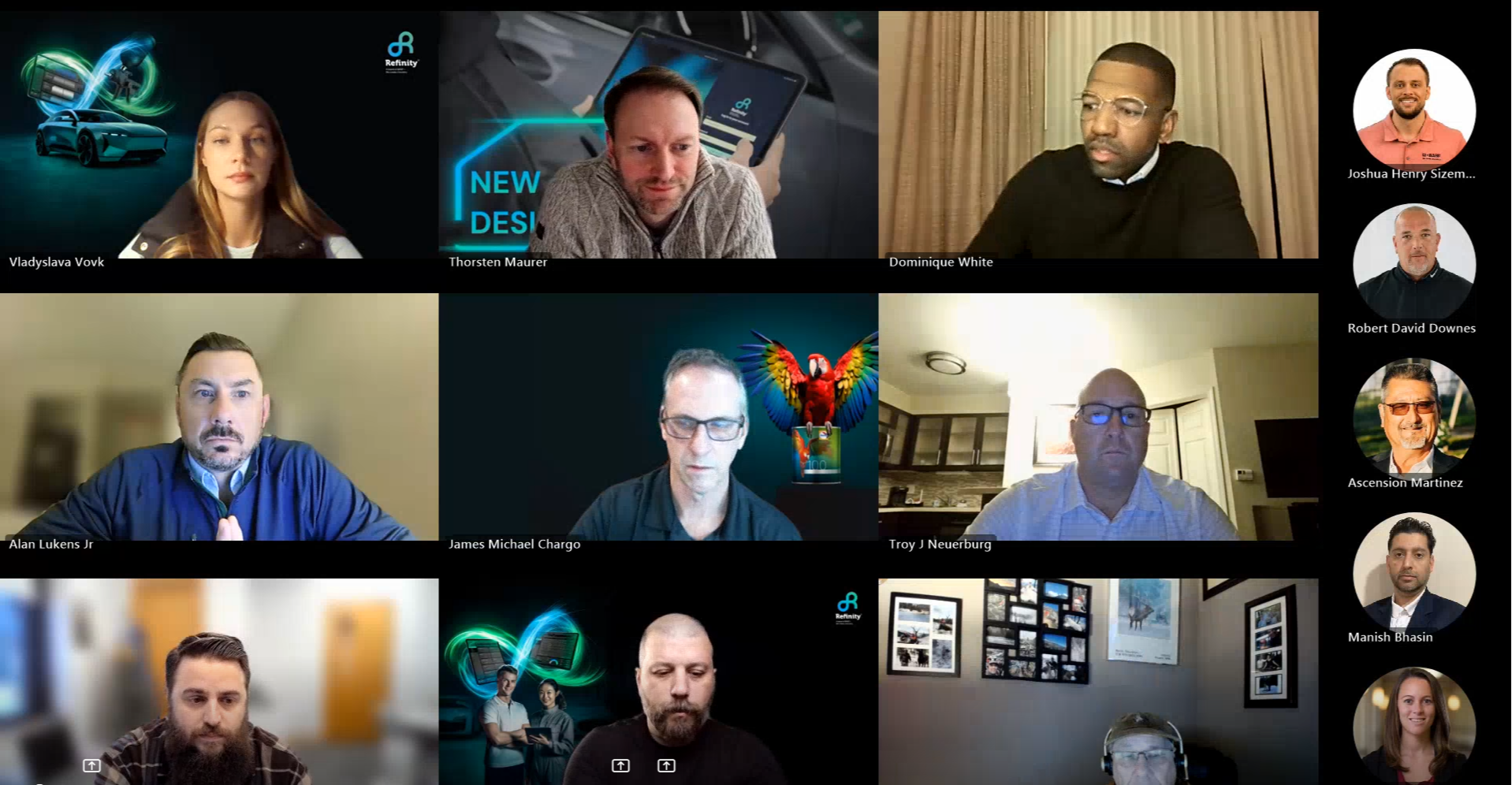
Setting up the alignment.
Before bringing everyone together, I met individually with the Product Owners whose areas were being directly impacted, as well as the head of body shop strategy. These conversations helped me understand not just the pain points, but the angle each group was coming from. What stood out immediately was that even internally, we weren’t aligned on what the real problem was or how to potentially solve it, which validated that the workshop wasn’t just helpful, but necessary.
I defined success very clearly going in: we needed to leave with one agreed-upon solution, and that solution had to be detailed enough that the design team could work from it without vague interpretation or follow-up clarification.
How I structured the workshop
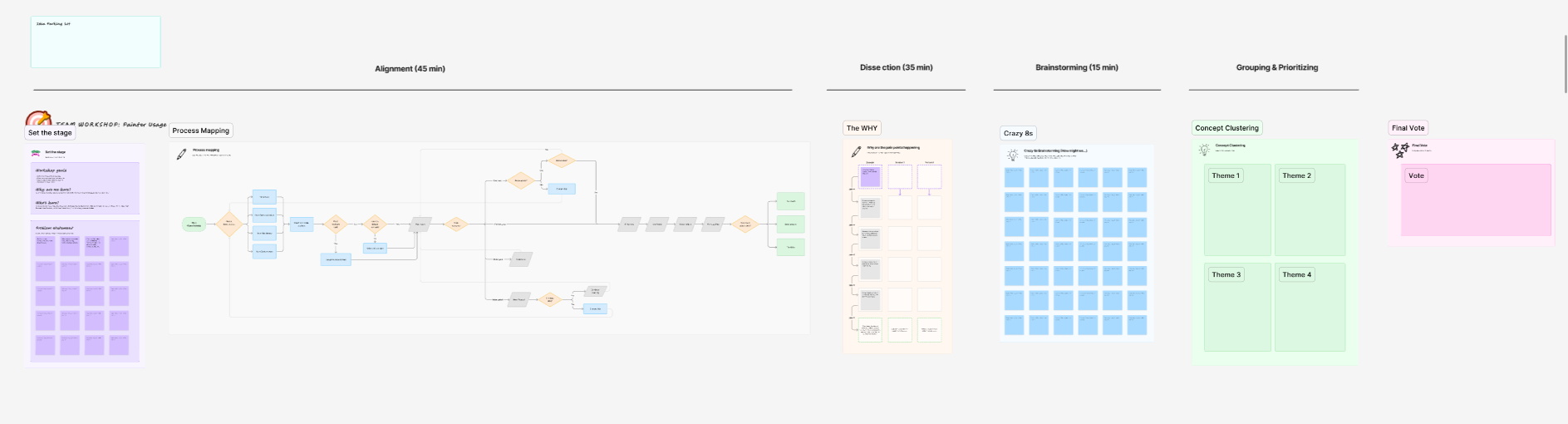
Problem Statement 2. Process Mapping 3. Five Whys 4. Crazy 8s 5. Grouping Solutions 6. Final Vote
I designed the workshop as a funnel. The intention was to start wide, letting everyone express their perspective and then progressively narrow the conversation until we reached a core problem and a clear path forward. The structure included writing problem statements, mapping pain points directly onto a process flow, dissecting the top two problems using Five Whys, ideating through Crazy 8s, grouping solutions into themes and finally voting our way to a single direction.
There were constraints I was very aware of going in. About half of the participants:
had never done exercises like this
had never sat through a 3 hour working session
had never used FigJam
That influenced everything from how I prepped them via email, to how explicit I needed to be during the session itself. I knew I would need to over communicate instructions, keep strict time and actively manage the conversation. People were chatty, eager to be heard, and often struggled to follow directions not out of resistance, but unfamiliarity.
When the workshop started to go sideways.
Despite asking participants to come prepared with problem statements, many of the stickies were extremely long, solution focused, or even irrelevant. Some were full word dumps that combined multiple problems and proposed fixes all in one. Instead of stepping in immediately to “fix” it, I had the group vote on the problem statements as they were. This shifted the cognitive load away from me and forced the group to reflect on what they believed mattered most.
Once the top problem statement surfaced( a very long, messy one) I broke it down live, separating actual problems from embedded solutions. That moment helped reset the path of the workshop.
We moved into Five Whys with the top two problem statements, but in hindsight, this exercise didn’t lead us to the true core problem. Instead, it surfaced A reason for the issue rather than THE reason. I kept pushing for deeper “whys,” but it became clear the group wasn’t getting meaningful value from continuing to dig in that direction. Throughout this, I had to repeatedly redirect conversations, park ideas that were valid but off scope, and keep us grounded in what would actually help us move forward.
Recognizing the diminishing returns, I pivoted us into Crazy 8s.
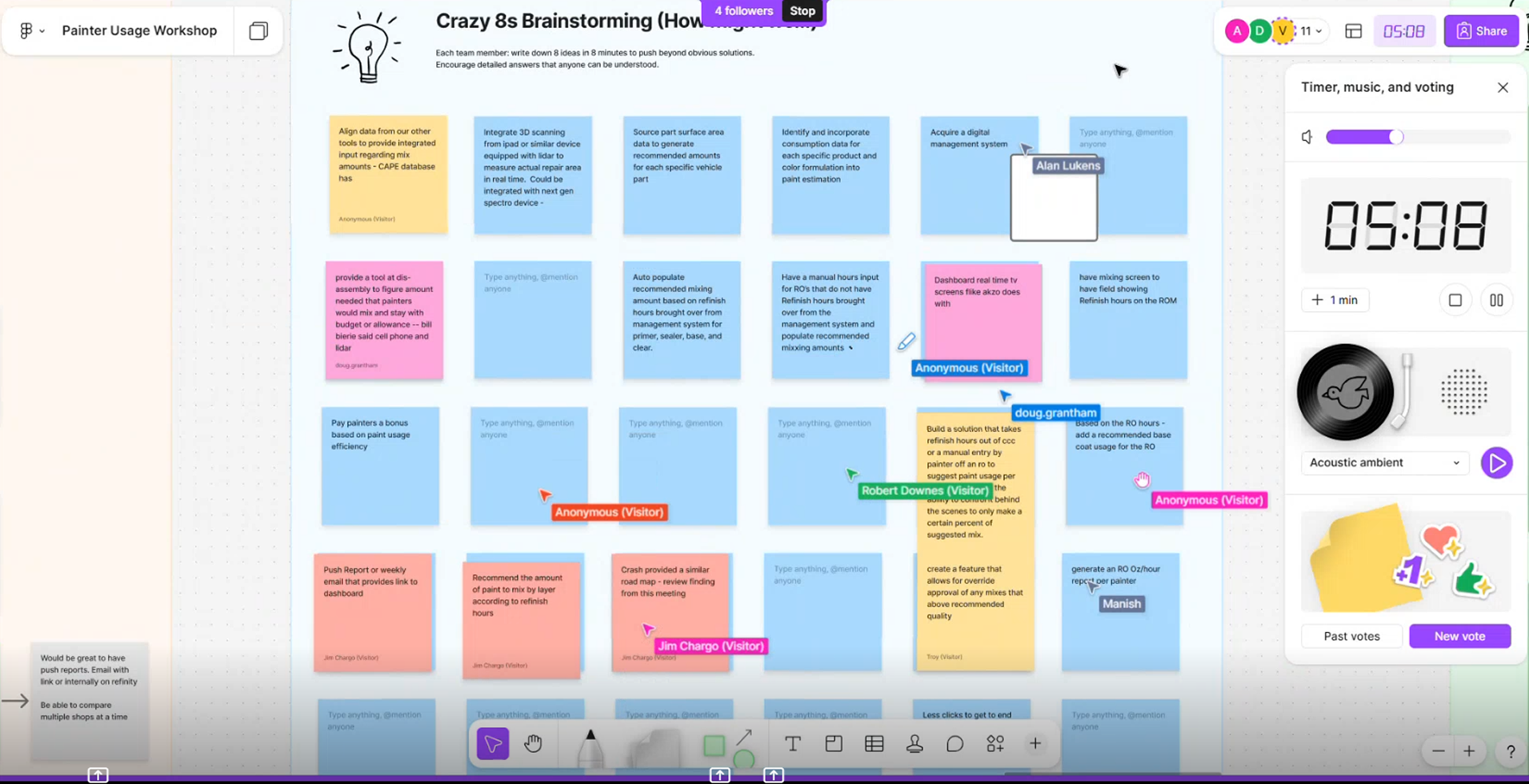
This is where things finally began to click.
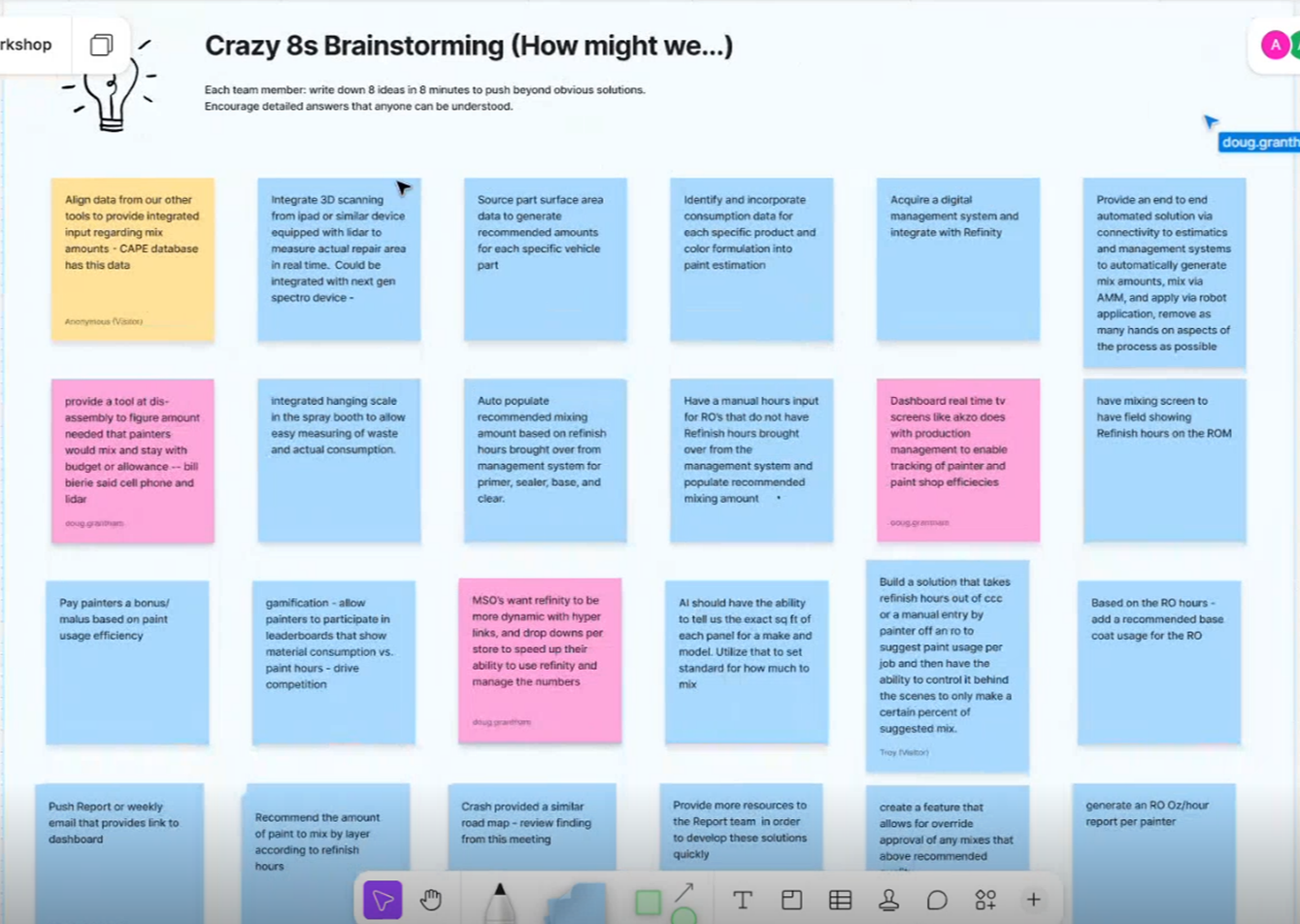
Where alignment started to happen.
I had participants vote on the strongest idea within each theme, then brought those top solutions into a final comparison. We voted again and one solution won by a landslide.
What surprised me most was that this solution was not the one that had been aggressively pushed at the beginning of the process. Internally, we felt confident in the outcome not because it aligned with any agenda but because it genuinely addressed the needs that surfaced across teams.
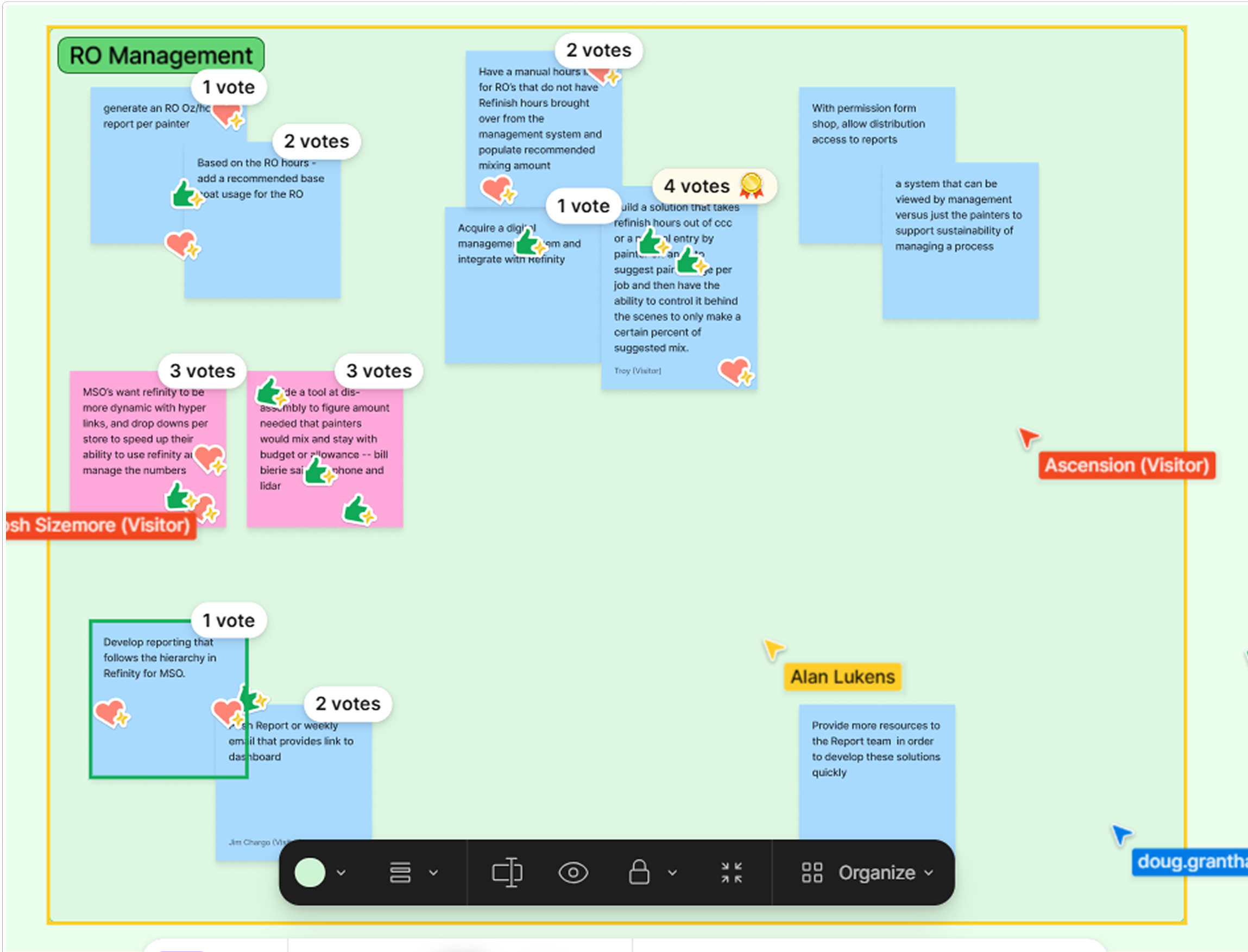
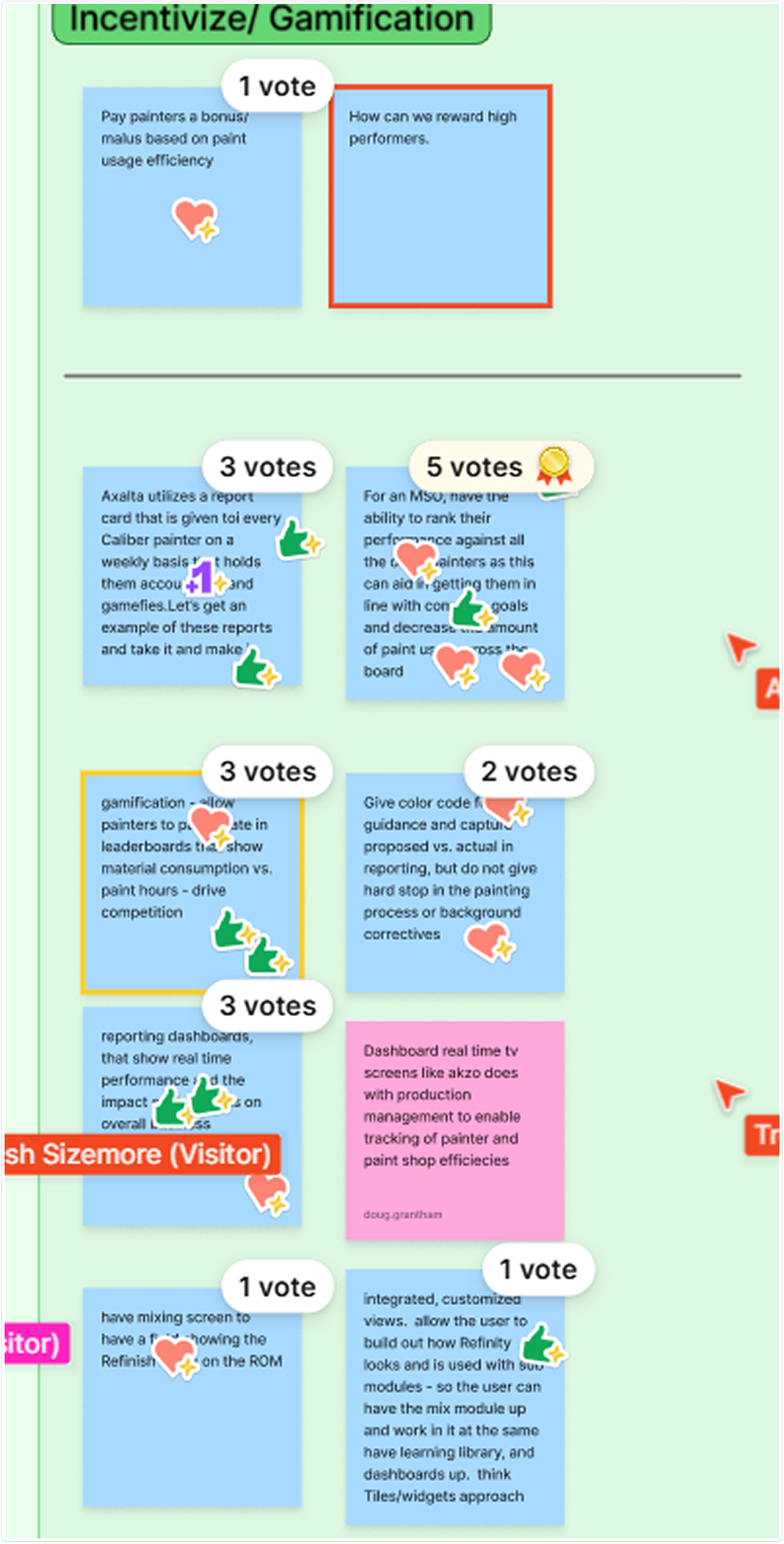
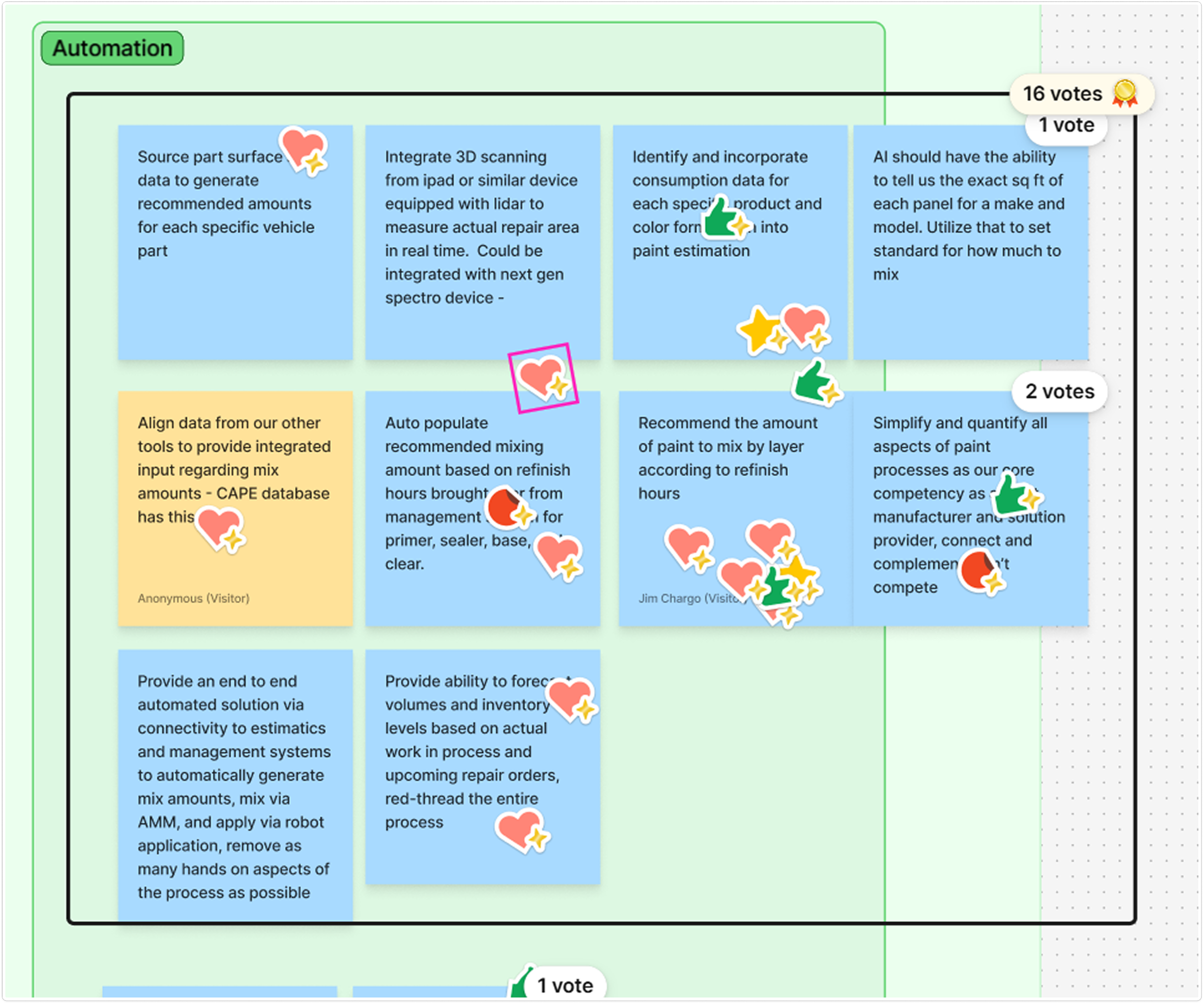
Arriving at a shared solution
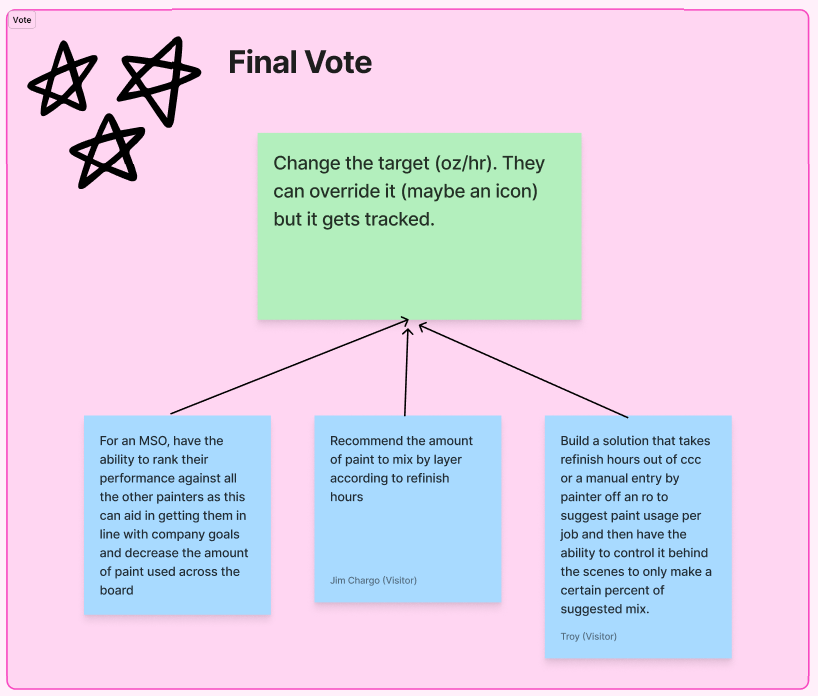
By the end of the workshop, the group had a clearly defined primary solution, along with supporting solutions to follow. More importantly, everyone left aligned on what was expected next. Teams that had previously been operating on entirely different assumptions were now speaking the same language.
As a result, the team can now confidently prioritize this feature in an upcoming quarter, focusing first on the primary solution as the main driver, with supporting solutions layered in afterward. Stakeholders felt more confident, ambiguity was reduced, and the design team now has clear, actionable requirements to address this pain point sooner rather than later
What Changed After the Workshop
By the end of the session, the group left with a clearly defined primary solution and supporting follow-ups. Teams that had previously been operating on completely different assumptions were now aligned on what needed to happen next.
Clear & Actionable Direction
The design team now has a concrete path forward with detailed requirements, enabling them to start work immediately without guesswork.
Reduced Ambiguity
A defined and structured list of who meets with what roles, with specific guidance on what we are looking for.
Stakeholder Confidence
Stakeholders gained trust in the process and felt reassured that the solution being developed addresses the right problem.
Focused Next Steps
The team can now confidently tackle the primary solution first, with supporting solutions layered in afterward, ensuring the pain point is addressed efficiently and effectively.
“This was an extremely challenging workshop but Vlada facilitated with so much clarity, confidence and strong time management. I’m extremely happy with the outcome and truly appreciate the effort and leadership she brought to this work”
— Cassie (Mix & Scan Product Owner)